Why we need to talk about male suicide
For the past several years, much of my work has been driven by one question: why do so many men die by suicide?
The statistics are stark. In almost every country in the world, men die from suicide at higher rates. In the UK 75% of annual deaths are male. My work is focused on trying to understand why, or as one bereaved wife said to me: “What is it about the way that we are living that is making men do this?”
My name is Dr Susie Bennett, and I’m a researcher at the University of Glasgow and founder of Action on Male Suicide, a new research-led charity dedicated to transforming how we understand and respond to male suicide.
My research has involved listening closely to men who have experienced suicidal distress and trying to understand their lives and experiences in all their complexity.
That means looking beyond the moment of crisis.
It means understanding relationships and family life, childhood experiences, work and financial pressures, isolation and loneliness, cultural ideas and expectations of men, experiences of shame, stigma, failure or feeling trapped - and the ways these things can combine over time.
It also means asking difficult questions about support. Why do some men struggle to recognise that they need help? Why can existing services be difficult for some men to access or engage with? And when a man does reach out, are we always offering the kind of support he actually needs?
Taking research out of universities
One of my strongest beliefs is that research only has value if it reaches the people who can use it.
That is one of the reasons I established Action on Male Suicide, and why this autumn we are taking our National Conversations to communities across the UK - including Middlesbrough.
I want to take what we have learnt about male suicide out of academic journals and put that knowledge into the hands of people who can turn it into action, because research only has value if it reaches the people who can use it.
On Monday 9 November, we will be bringing a National Conversation on male suicide to the Acklam Green Centre in Middlesbrough.
I'll share some of the latest research and what I have learnt from listening to men. But just as importantly, I want to hear from Middlesbrough and the wider Tees community.
What are people seeing locally? What pressures are men experiencing? Where are men falling through gaps? What is already working? What gets in the way of providing better support? And what could we do differently?
We would love people with very different perspectives in the room - people with lived experience, community organisations, health and mental health practitioners, public health teams, researchers, employers, policymakers, front-line responders and anyone with an interest in improving support for men.
My hope is that people leave with new knowledge, new connections and new ideas about what they can do next.
Male suicide is complex. There is no single cause, no simple solution and no one organisation that can solve it alone. But complexity is not a reason for inaction - it is a reason to dig deeper, listen harder, work together, and keep improving how we respond.
If we understand the problem better, bring together people who see different parts of it, and put good evidence into the hands of people who can act on it, we give ourselves a much better chance of creating change.
The Middlesbrough National Conversation takes place on Monday 9 November, 10:30am–5:00pm at Acklam Green Centre.
Attendance is free and I would love to see you there.
Book your place: actiononmalesuicide.org/events
- Dr Susie Bennett, Director, Action on Male Suicide
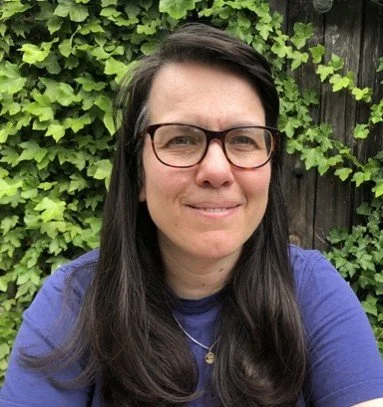
Dr Susie Bennet
Director, Action Male Suicide